Japanese Cafés in Kyoto
Kyoto, JapanHospitality · Urban
A slow-paced lifestyle reel with soft window light and quiet, intimate interiors.
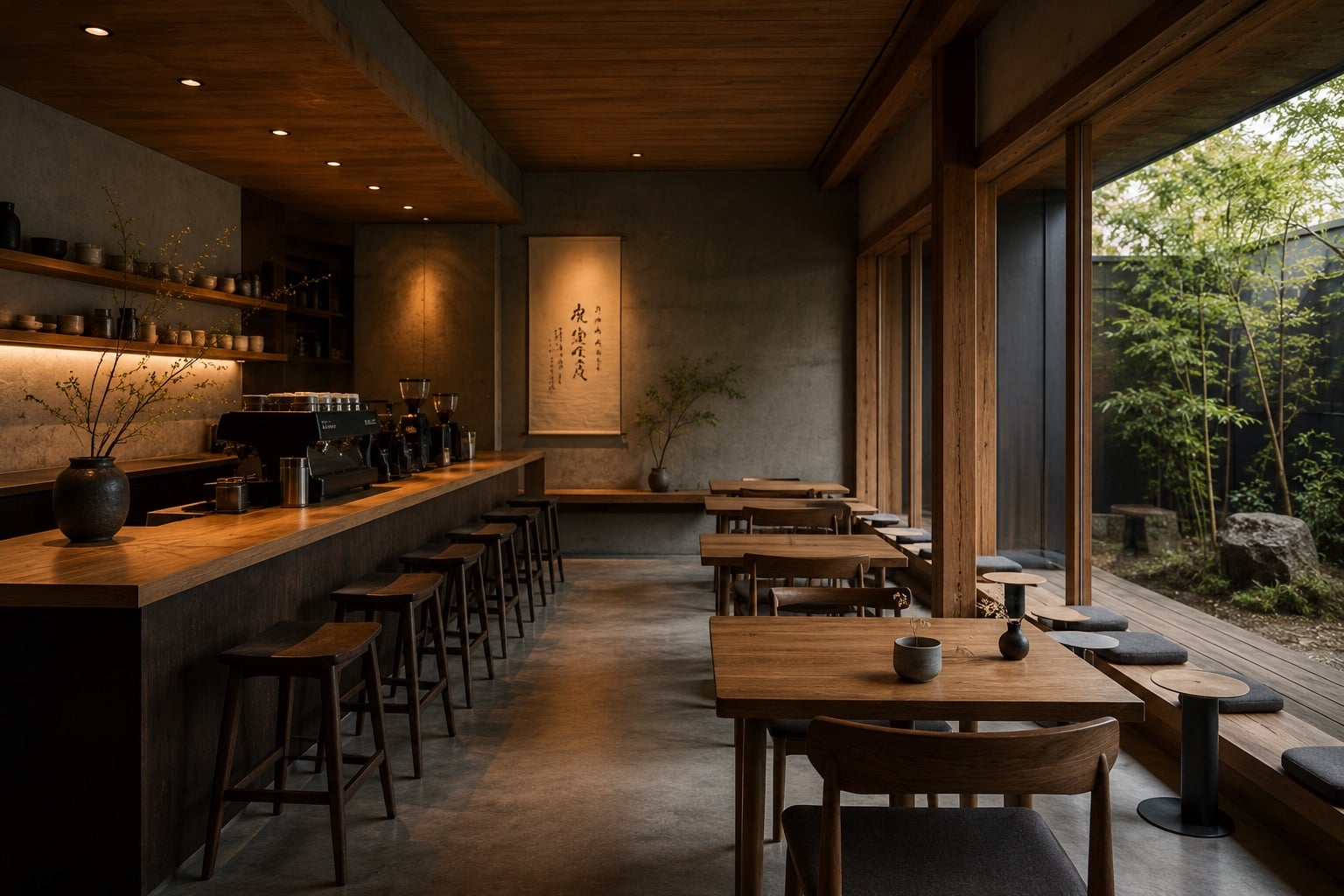
Small machiya-style and minimalist cafés with large street-facing windows, warm wood, and low seating — scouted for off-peak calm and diffused daylight.
Report overview
Shoot-readiness
Workable for small, quiet crews with the owner’s blessing. Light and mood are reliable; access and guest privacy are the constraints.
Best shooting window
Weekday mornings 8–10am, before service builds.
Main visual opportunity
Soft, wrapping window light on warm wood and low seating — calm with no kit.
Biggest production risk
Permission and privacy. Many owners decline filming during service or of other guests.
Location intelligence
Confidence reflects the strength and consistency of available source evidence. Local rules and access conditions should still be confirmed before production.
Light
High confidenceSmall cafés live on window light, and orientation decides everything.
- North- and east-facing windows give soft, even light through the morning.
- West-facing seats go harsh and contrasty by mid-afternoon.
- Sheer curtains and shoji diffuse light beautifully — use them as natural softboxes.
- Warm wood interiors bounce a gentle fill; meter for faces near the glass.
Camera angles
High confidenceTight rooms reward intimate, considered framing over wide coverage.
- Shoot across the window for wrap, not into it, to hold detail.
- Low seating suits low camera heights and over-the-shoulder framing.
- Counter and pour-over rituals give natural foreground action.
- Reflections in glass and lacquer add depth — watch for crew in frame.
Access
Medium confidenceThese are small businesses on pedestrian lanes; treat the space gently.
- Interiors are tight — a small crew and minimal gear only.
- Most are walk-up with no vehicle access; hand-carry everything in.
- Shoes-off seating is common — keep gear off the tatami.
- Power outlets are scarce; arrive charged and battery-powered.
Permits
Verify locallyThere is no permit office here — there is the owner. Arrange directly and verify the terms before the day.
- Ask the owner directly; give notice and explain the shoot honestly.
- Commercial shoots are often declined during service hours.
- Confirm whether you can shoot signage, menus, and branded items.
- Get the terms in a message or email — assumptions cause day-of problems.
Crowds
Medium confidenceThe calm depends entirely on timing around service.
- 8–10am before the lunch rush is the quiet window.
- Many cafés close by early evening — don’t bank on dusk.
- Weekends and peak tourist seasons fill fast.
- A privately booked slot removes the crowd variable entirely.
Weather
High confidenceInteriors are weatherproof, and rain actually improves the mood.
- Overcast and rain soften and even the window light — often ideal.
- Wet streets outside add reflection and atmosphere through the glass.
- Humidity fogs cold lenses moving inside — let gear acclimate.
- No real weather risk indoors; it’s a strong rainy-day option.
Production checklist
Before you go
- Contact the owner, explain the shoot, and agree a time and terms.
- Confirm what you can film — interiors, food, branding, staff.
- Plan a 2–3 person crew with a minimal, battery-powered kit.
- Pick a weekday morning slot before service.
On arrival
- Greet the owner and confirm boundaries before unpacking.
- Set up low and quiet; keep gear off tatami and walkways.
- Shoot window-light hero frames first.
- Order something — you’re a guest in a working business.
Backup plan
- If declined during service, ask about a private pre-open slot.
- Rainy day? The soft light is a feature, not a problem.
- Too busy? Move to a smaller café on a side lane.
Related examples
Scout a location for your production
Describe the shoot, constraints, and production requirements, and ScoutHalo returns real locations — each with its own production-ready Scout Report.